Introduction
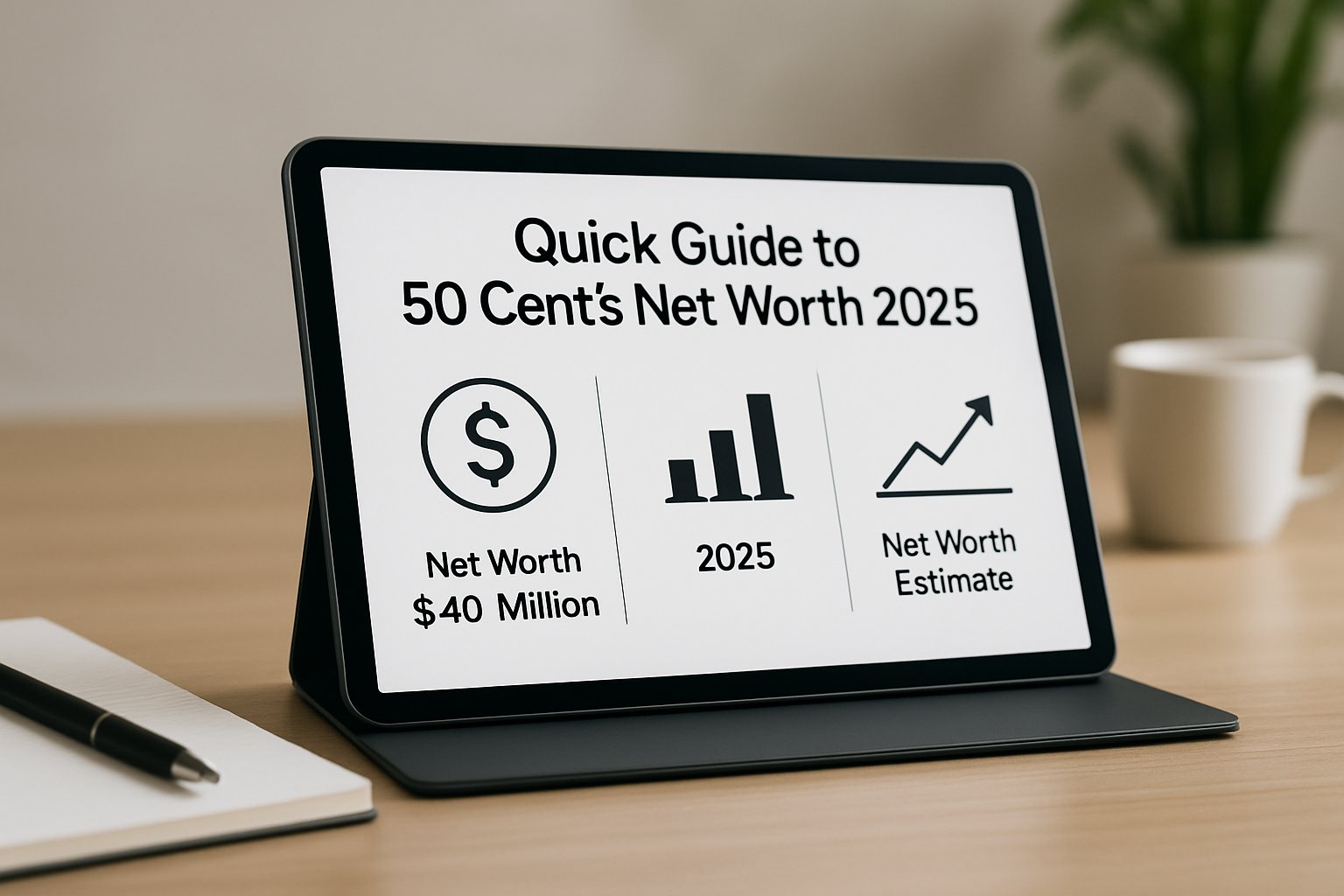
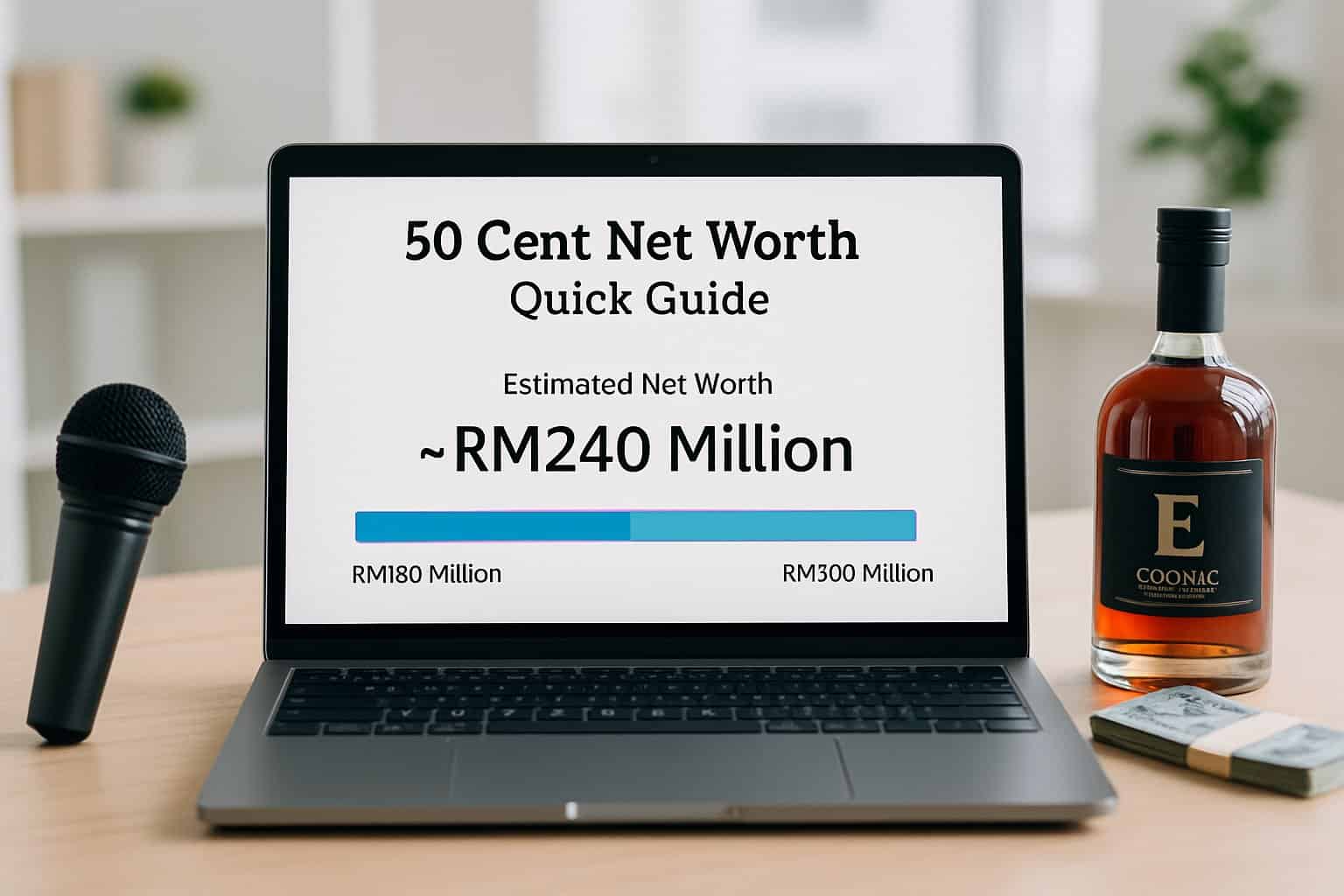
I put this quick guide together to help you size up 50 Cent’s wealth without wasting time—senang to read on any browser, straight to the point. As of the latest update in 2025, public estimates of his net worth vary widely depending on how you count private deals and post-bankruptcy assets. Converting the most cited ranges into Malaysian ringgit, you’re broadly looking at a ballpark of roughly RM180 million to RM300 million, with upside tied to TV royalties, touring, and brand liquor sales. If you’re just here for the fast reference on figures and factors, this quick take on 50 cent net worth will keep things simple while still accurate enough for comparison.
Why the big spread? Two reasons: 50’s income is diversified (music catalog, TV producing, touring, spirits, endorsements), and many contracts are private. In short, his wealth isn’t just about record sales; it’s about owning vehicles that keep paying even when he’s not on stage—quite a solid affordability-to-reach model for fans and entrepreneurs alike to learn from.
Early Life
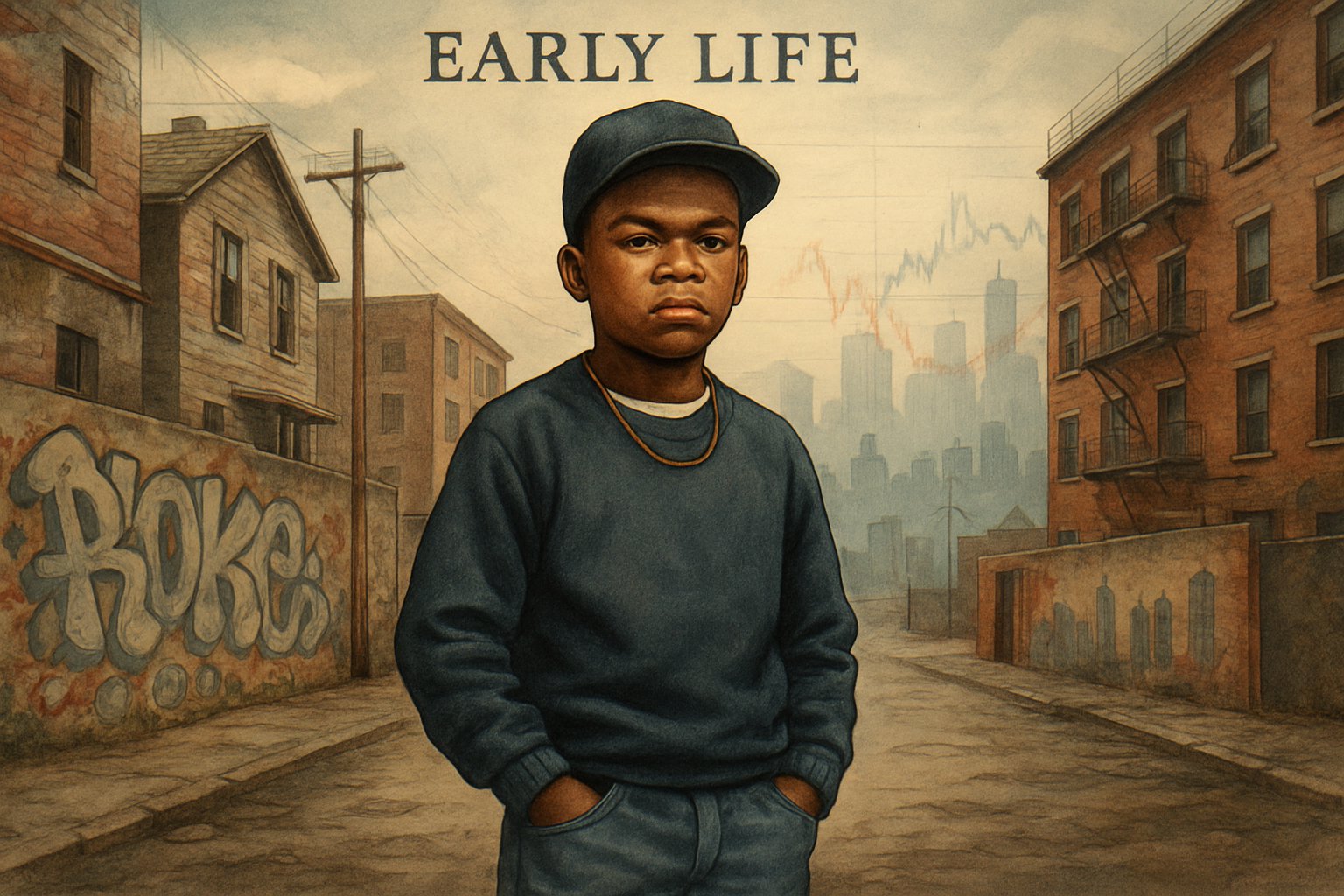
Understanding 50 Cent’s early life provides crucial context for his journey to financial success and his resilient approach to business. Born Curtis James Jackson III, his upbringing in a challenging environment instilled a strong work ethic and street smarts that later fueled his career in music and entrepreneurship. This foundation not only shaped his artistic voice but also influenced his strategic decisions in building and protecting his wealth over the years.
Growing Up in Queens and Early Struggles
He was raised by a single mother and faced tough circumstances early, including exposure to street life. Those formative years gave him both the material and the grit that later powered his mixtapes and authentic storytelling. The early struggles also taught him how to negotiate from a position of scarcity, a skill he would recycle in business. Moreover, these experiences built a resilience that helped him navigate the ups and downs of fame and fortune.
From South Jamaica to Stardom: 50 Cent’s Breakthrough
Before the global spotlight, he honed his craft in the New York mixtape scene. After linking with key producers and mentors, he built momentum that attracted labels. That groundwork set up the eventual co-sign from Eminem and Dr. Dre, which was the rocket fuel for his mainstream launch. This transition from underground artist to international star highlighted his ability to capitalize on opportunities and turn local buzz into global success.
The Shooting Incident: Survived Being Shot 9 Times
In 2000, he survived being shot nine times outside his grandmother’s home. Recovery was long and painful, and it forced a reset on his strategy. That trauma didn’t stop him; it became part of the brand and narrative that audiences connected with—survivor turned mogul, kan? Ultimately, this event strengthened his determination and added a layer of authenticity to his public persona that resonated with fans worldwide.
How Old Was 50 Cent When He Got Shot?
He was 24 years old at the time of the shooting. The incident happened before his major-label debut and ended a previous record deal. Coming back from that at such a young age shows the resilience he later applied to finances during the bankruptcy years. This pivotal moment not only tested his physical limits but also honed his mental fortitude for future challenges in his career.
Origin of the Name ’50 Cent’
His stage name was inspired by Kelvin Martin, a Brooklyn figure known as “50 Cent.” Jackson adopted the name to symbolize change and a willingness to take what life wouldn’t just give. It was a declaration of independence and hustle that carried into his music and business persona. Over time, this moniker has become synonymous with his brand of relentless ambition and entrepreneurial spirit.
Career
50 Cent’s career trajectory showcases a blend of musical achievements and savvy business moves that have significantly contributed to his net worth. From his explosive entry into the rap scene to his evolution into a multimedia mogul, each phase has introduced new revenue streams and opportunities. This section explores the key milestones that highlight how his professional path has built and sustained his wealth over the decades.
1996–2002: Rise to Fame, Shooting, and Early Mixtapes
He recorded early demos in the late 1990s and landed an initial deal before the shooting derailed plans. Post-recovery, he went independent and used mixtapes to rebuild momentum. This period set his reputation for relentless output and created demand that mainstream labels couldn’t ignore. Additionally, it demonstrated his ability to adapt and thrive in the face of adversity, laying a strong foundation for future success.
2002–2007: Mainstream Breakthrough, Get Rich or Die Tryin’, and The Massacre
After signing with Eminem and Dr. Dre, he released Get Rich or Die Tryin’ (2003), a blockbuster debut with hits that still stream well today. The Massacre (2005) kept the momentum and cemented his touring pull. These years generated substantial advances, mechanical royalties, performance income, and brand leverage that he would later convert into equity deals. This era not only skyrocketed his fame but also established him as a commercial force in the music industry.
2007–2010: Curtis, Sales Battle with Kanye West, and Before I Self Destruct
The headline-grabbing sales face-off with Kanye West in 2007 drove attention to Curtis, which performed strongly even as the industry shifted to digital. He experimented with film, releasing Before I Self Destruct (2009) alongside a movie. Although not every bet matched his debut era’s heights, the brand stayed hot and marketable. These ventures expanded his reach beyond music, setting the stage for diverse income sources.
2010–2015: New Musical Directions, Business Ventures, and Animal Ambition
He diversified aggressively with headphones, fashion, and early spirits partnerships. Animal Ambition (2014) arrived during a period where he emphasized entrepreneurship and catalog strategy over chasing single-week chart dominance. The mix of smaller music releases and bigger business bets laid groundwork for later TV success. This shift marked a maturing approach to his career, focusing on long-term sustainability rather than short-term hits.
2015–2021: Street King Immortal, Bankruptcy, and Departure from Interscope
Street King Immortal became a long-delayed project, but the real story was financial restructuring via Chapter 11 in 2015. He used the process to manage debts from lawsuits and arbitration while keeping revenue engines running. By the time he moved beyond the bankruptcy, TV and spirits had overtaken music as the main profit centers. This period illustrated his strategic use of challenges to refocus and strengthen his financial position.
2021–Present: Focus on Acting, Media Production, and Super Bowl LVI Halftime Show
He leaned into acting and especially producing, expanding the Power universe and developing BMF. His surprise appearance at the Super Bowl LVI halftime show in 2022 refreshed the brand for a new generation. From 2023 onward, touring and non-exclusive media deals kept the cash flow diversified and resilient. These recent endeavors continue to enhance his net worth through innovative and high-profile opportunities.
Business Ventures
50 Cent’s business ventures form the backbone of his sustained wealth, extending far beyond his music career into various industries that generate ongoing revenue. By leveraging his fame for equity stakes and partnerships, he has created a diversified portfolio that includes entertainment, beverages, and more. This section delves into the key areas where his entrepreneurial spirit has translated into significant financial gains, providing insights into how these ventures contribute to his overall net worth.
One of the primary revenue streams comes from TV and film producing, particularly through the Power universe and BMF, which can generate anywhere from RM8 million to over RM40 million in annual or deal-based earnings. This medium-risk avenue offers recurring fees, backend profits, and global syndication opportunities, making it a stable pillar of his income. Similarly, his involvement in spirits like Effen Vodka and Branson Cognac brings in RM5 million to RM25 million or more per year, capitalizing on brand equity in high-margin categories.
Touring, such as the Final Lap Tour, represents another major contributor, with cycles potentially yielding RM20 million to RM80 million or more, driven by strong cash flow and merchandising. The risk is medium, but the benefits include direct fan engagement and uplift in other areas like streaming. Music catalog and royalties provide a lower-to-medium risk steady income of RM3 million to RM15 million annually, thanks to the enduring popularity of his classic hits on streaming platforms.
Finally, brand licensing and endorsements offer low-risk, fast payouts ranging from RM1 million to RM10 million per deal, with minimal overhead. These diverse streams illustrate how 50 Cent has built a resilient financial model that balances risk and reward effectively.
Key Investments and Their Returns
The blueprint is simple: exchange fame for equity and backend points, not just one-off fees. Over time, this generates long-tail returns that outlast touring cycles. That approach explains why net worth estimates can climb even when album sales aren’t front-page news. By focusing on ownership, he ensures ongoing benefits from his investments, which continue to pay dividends years after the initial involvement.
Mining and Heavy Metals Ventures
From time to time, reports surfaced about exploratory investments in commodities and niche ventures. While details remain limited and not widely disclosed, the broader point stands: he tests opportunities beyond entertainment when risk-reward looks right. I treat these as speculative side bets rather than core drivers of his wealth. Nonetheless, they demonstrate his willingness to explore diverse sectors for potential high returns.
Boxing Promotion Business
He launched SMS Promotions around 2012, entering a competitive, relationship-heavy business. The venture added promoter fees and branding value, though it never eclipsed his TV and liquor cash flows. It showed his willingness to diversify and learn in public, a trait that later paid off in media. Overall, this foray into sports promotion added another layer to his entrepreneurial portfolio.
Vitamin Water Deal and Its Impact on Net Worth
His early stake in Glacéau (VitaminWater) is legendary: Coca-Cola’s acquisition in 2007 reportedly netted him tens of millions in USD. Even after taxes and advisors, the payout in RM terms would be very substantial, reinforcing the “equity over fee” philosophy. It set the template he repeated with other brands. This deal remains a cornerstone example of how strategic investments can dramatically boost long-term wealth.
Effen Vodka and Branson Cognac Partnerships
With Effen Vodka, he had a partnership that delivered both cash and brand visibility; exact proceeds were undisclosed despite rumors. Later, he channeled energy into Branson Cognac and related spirits, leaning into premium positioning. For net worth, consistent annual distributions from liquor can be a steady, relatively affordable-to-scale income stream. These ventures highlight his knack for turning celebrity into profitable consumer products.
TV and Film Production: Power and Beyond
Through G-Unit Film & Television, he executive-produces the Power universe and BMF, among other projects. Producer fees, showrunner deals, and backend participation add resilience, especially as franchises syndicate internationally. In RM terms, this is one of the most reliable pillars, and it’s very scalable without 24/7 touring. The success of these productions has solidified his status as a media mogul.
Tech, Fashion, and Brand Collaborations
He has tried headphones, streetwear, footwear, and various endorsements. Not every launch was a slam dunk, but the cumulative effect boosted brand equity and kept him top of mind. The trick was to keep costs controlled while chasing upside—very “kedekut on waste, generous on ROI,” if you like. These efforts have collectively enhanced his market presence and financial diversity.
Real Estate Investments and Luxury Assets
He famously owned Mike Tyson’s former mansion in Farmington, Connecticut, eventually selling it in 2019 at a loss after high carrying costs. Since then, he’s focused on more strategic holdings, often tied to business operations and filming bases. Luxury cars and lifestyle assets appear, but they’re better seen as branding tools than core investments. This approach to assets reflects a balance between personal enjoyment and professional utility.
Corporate Leadership Positions
He operates as founder and principal of G-Unit Records and G-Unit Film & Television, taking on executive producer roles across multiple series. These titles translate into control and recurring compensation, not just celebrity credits. It’s the difference between renting fame versus owning platforms. Such leadership ensures he maintains influence over his ventures’ direction and profits.
Bankruptcy Filing
The 2015 bankruptcy filing marked a pivotal moment in 50 Cent’s financial story, serving as a strategic tool rather than a defeat. It allowed him to reorganize debts while safeguarding his ability to generate future income through his various enterprises. This section examines the circumstances, impacts, and recovery strategies that emerged from this period, shedding light on his business acumen.
Reasons Behind Filing for Bankruptcy
The filing stemmed from a combination of legal judgments, arbitration outcomes, and cash flow timing. High-interest obligations and large awards can strain even strong earners. Chapter 11 allowed structured repayments without liquidating key assets that power long-term income. This move was essential for maintaining his financial stability amid mounting pressures.
Legal Battles and Financial Setbacks
Among notable hits were the Sleek Audio arbitration and the case involving a leaked video, which carried significant damages. These weren’t just PR setbacks; they impacted liquidity and created the need for disciplined restructuring. The lesson: legal risk management matters as much as chasing the next big check. Overcoming these challenges honed his approach to future dealings.
Strategic Comeback via Media and Business
Post-restructuring, he prioritized TV deals, touring, and spirits—the most reliable cash generators. By stacking recurring payments, he buffered against single-lawsuit shocks. That pivot is a major reason the 2025 net worth estimates remain strong despite the 2015 turbulence. This recovery underscores the importance of adaptability in wealth management.
Personal Life
50 Cent’s personal life offers insights into the motivations behind his professional choices and public persona. From family dynamics to political stances, these elements have influenced his brand and business decisions over time. Respectfully exploring this aspect reveals how personal experiences have intertwined with his path to wealth accumulation.
Family and Relationships
He is a father and has spoken about how family shaped his drive and decision-making. Public relationships sometimes intersected with his business story, especially regarding co-parenting dynamics. Overall, family considerations have often been framed as motivation for creating durable income streams. These personal ties continue to inspire his entrepreneurial pursuits.
Political Views and Endorsements
Over the years, he made headlines for comments about taxes and endorsements, sometimes walking back initial statements. The common thread is pragmatic self-interest around finance and business policy. For investors and fans, the takeaway is to separate momentary headlines from long-term portfolio moves. His views often reflect a focus on economic impacts relevant to his wealth strategy.
Legal Issues and Disputes
Legal disputes have been part of his public journey, ranging from trademark and contract issues to defamation and privacy cases. While costly, they also pushed tighter risk controls into his business playbook. That discipline shows up in how he structures deals today. Managing these issues has been key to his sustained success.
Notable Lawsuits
The Sleek Audio case and the privacy-related judgment were the big financial blows preceding bankruptcy. He addressed them through the court-supervised restructuring process and subsequent payments. Since then, his strategy appears more conservative on exposure and more aggressive on recurring revenue. These cases served as learning experiences for better financial protection.
Other Civil and Criminal Matters
Earlier brushes with the law shaped his public image and informed his artistic narrative. As his career matured, formal disputes trended toward corporate and contractual issues. The shift from street risks to boardroom risks is a hallmark of his evolution. This progression highlights his growth from past challenges to professional maturity.
Final Lap Tour
The Final Lap Tour stands as a testament to 50 Cent’s enduring appeal and his ability to monetize nostalgia effectively. Celebrating the anniversary of his debut album, it not only generated substantial revenue but also reinforced his brand across generations. This section covers the tour’s financial and cultural impacts, illustrating its role in his overall net worth strategy.
Touring Revenue and Global Fanbase Impact
Spanning North America, Europe, and more, the tour tapped multiple markets with strong demand for legacy hits. Beyond ticket gross, the tour refreshed streaming numbers and increased catalog discovery for Gen Z listeners. This halo effect benefits TV projects and spirits sales, creating a flywheel for net worth. The global reach amplified his influence and income potential.
Self-Financed Success of the Final Lap Tour
Reports highlighted that he put significant capital behind the production himself, keeping more control over profits. While that raises risk, it also increases share of upside—especially with careful cost management. In RM terms, a successful global run can add tens of millions to a cycle, which is why touring remains central even for a diversified mogul. This self-financed approach maximized his returns and demonstrated financial independence.
Frequently Asked Questions
What is 50 Cent’s net worth in 2025, in RM?
Public estimates vary, but a reasonable 2025 ballpark sits around RM180 million to RM300 million depending on how you count private contracts, taxes, and touring cycles. Because many deals are confidential, treat this as an informed range, not a fixed figure. This estimation considers his diverse income sources and ongoing business ventures. Keeping track of updates in his career can help refine these figures over time.
Did bankruptcy mean 50 Cent was broke?
No. Chapter 11 in 2015 was a restructuring process to manage liabilities while preserving future income. He continued earning through TV production, liquor partnerships, and later touring, which supported a strong financial comeback. This strategic move actually positioned him for greater stability in the long run. Many successful figures use similar tactics to navigate financial hurdles effectively.
How much did VitaminWater contribute to his wealth?
Exact payouts are private, but Coca-Cola’s acquisition of Glacéau in 2007 reportedly gave him a large payday in USD. Even after taxes, the RM value was substantial and validated his strategy of taking equity rather than just cash fees. This deal has been cited as a game-changer in his financial journey. It encouraged him to pursue similar equity-based opportunities in other ventures.
How old was 50 Cent when he was shot?
He was 24 years old in 2000 when he was shot nine times. The recovery period reshaped his approach to music and business, making resilience a core part of his brand. This event became a defining chapter in his life story. It continues to inspire his narrative of overcoming adversity.
What are his biggest ongoing income sources now?
TV and film production (Power universe, BMF), spirits (Branson Cognac and related partnerships), touring, and catalog royalties make up the core. Endorsements and selective licensing add additional, lower-risk income. These sources provide a balanced and resilient financial foundation. They ensure continued growth in his net worth despite market changes.